New Zealand Blood Service (NZBS)
Most of us see a blood drive as a local event, but did you know that your donation actually takes a round-trip to Australia before it can save certain lives? As we move through 2026, the New Zealand Blood Service (NZBS) is facing unique hurdles that make every single donor more valuable than ever.
1. The 2026 Challenges: Why the Need is Growing
New Zealand currently faces three major “supply chain” challenges in the blood sector:
- The Rare Type Gap: There is a critical and growing demand for specific genetic matches. For example, the rare Kidd (Jk) blood group is in high demand, particularly for Māori and Pasifika patients. Currently, only a small number of donors have this sub-group, making it a constant race against time when a matching patient is in need.
- A “New Era” of Eligibility: 2026 marks a historic shift as NZBS moves toward Individualised Donor Risk Assessment. This allows many people previously under a “blanket ban”—including many men who have sex with men—to finally donate. While this expands the donor pool, it requires massive updates to equipment, staff training, and testing protocols.
- The Plasma Surge: Demand for plasma-derived medicines is skyrocketing. Plasma is used for over 11 different life-saving products, but New Zealand needs to collect over 50 tonnes of it every year to remain self-sufficient.
2. The Trans-Tasman Journey: How Your Blood is Processed
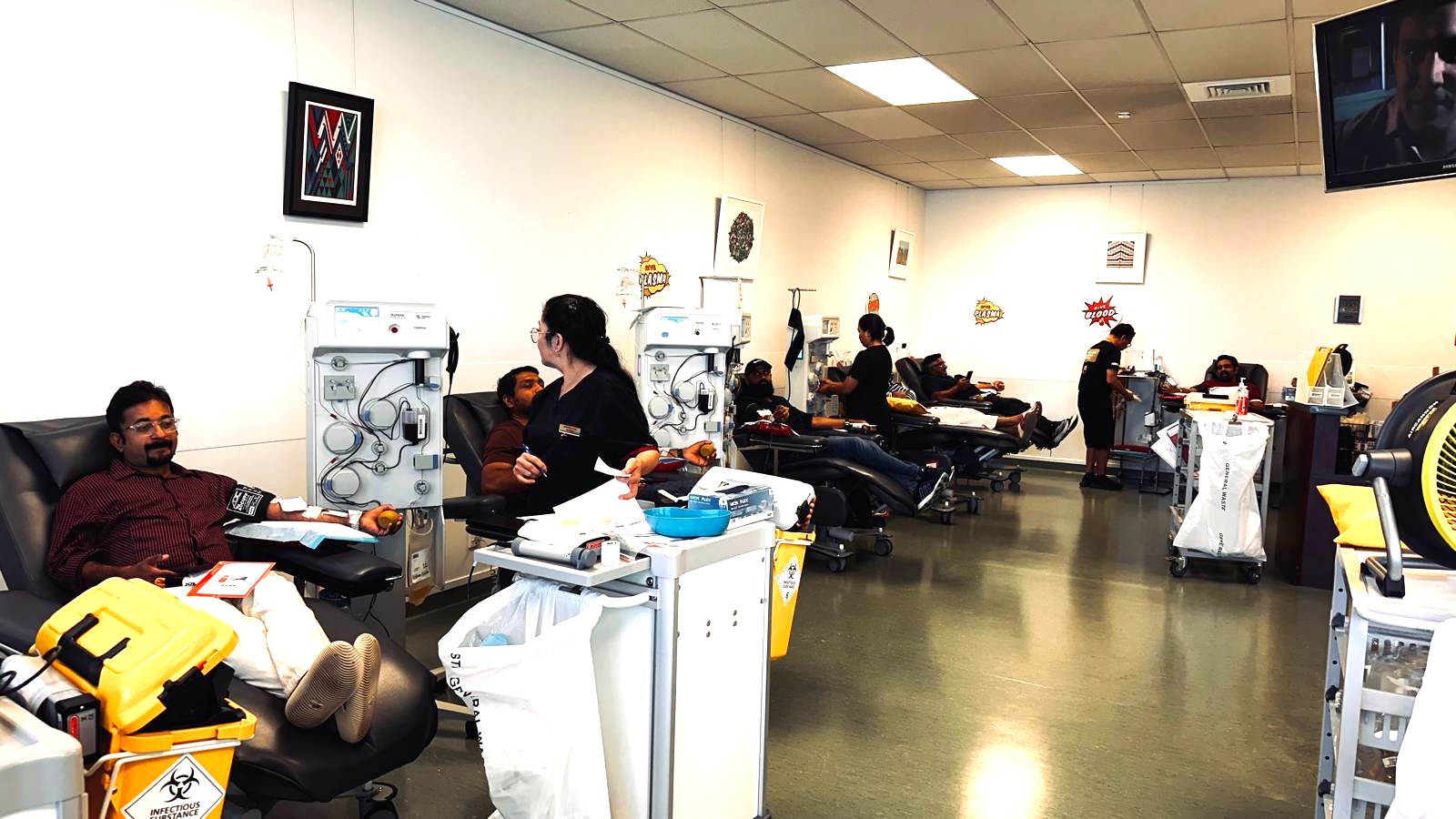
When you donate at a center like Epsom, the journey is just beginning. Your blood isn’t just “stored”—it is manufactured.
Separation at Home
Immediately after donation, your blood is sent to a hub (Auckland or Christchurch) where it is spun in a centrifuge to separate into three parts:
- Red Cells: Used for surgery and accidents (stored for 35 days).
- Platelets: Used for cancer patients (stored for only 7 days).
- Plasma: The “Liquid Gold” (can be frozen for up to 2 years).
The Australian Connection (Fractionation)
While red cells stay in NZ, about 80% of our plasma is deep-frozen to -35°C and shipped in massive refrigerated containers to CSL Behring in Melbourne, Australia.
Because New Zealand doesn’t have its own large-scale “fractionation” plant, we rely on this Toll Manufacturing Agreement. In Melbourne, the plasma is “fractionated”—a highly complex pharmaceutical process that “skims” out specific proteins to create:
- Immunoglobulins: To boost immune systems for those with primary immunodeficiency.
- Albumin: To treat burns and shock.
- Clotting Factors: For patients with Hemophilia.
The Return Trip
Once processed, these life-saving medicines are shipped back to New Zealand and distributed to our local hospitals. Every drop of “Kiwi” plasma sent to Australia is tracked via the eProgesa system to ensure it comes back to save a life right here in Aotearoa.
How You Can Help
Whether it’s a whole blood donation or a 60-minute plasma session, you are part of a global manufacturing chain that starts with a single needle.
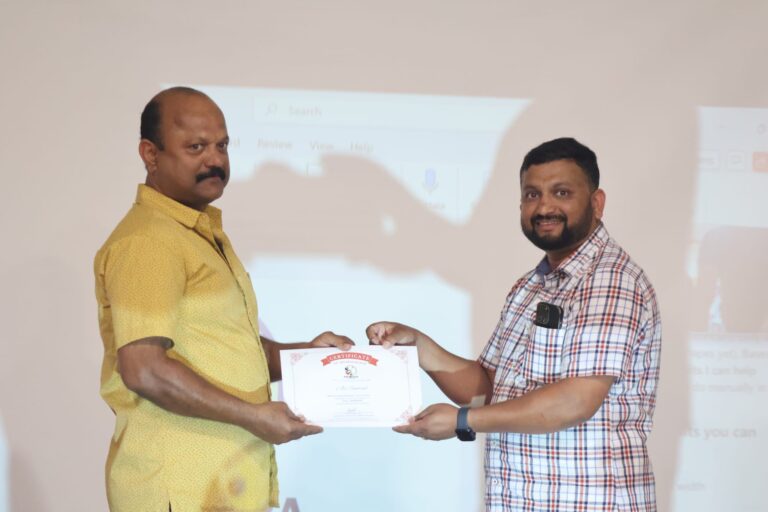
Next Step: Book your appointment at the NZ Blood Service Epsom or your local mobile drive. Your “Liquid Gold” is needed in Melbourne to save lives in Auckland! Navodaya New Zealand also runs an annual blood donation camp. Please feel free to contact us to be part of the camp.`
Quick Stats
- 1 Donation can save up to 3 lives.
- 6,500 donations can fit into a single shipping container headed to Australia.
- 11+ different products are made from the plasma you donate.